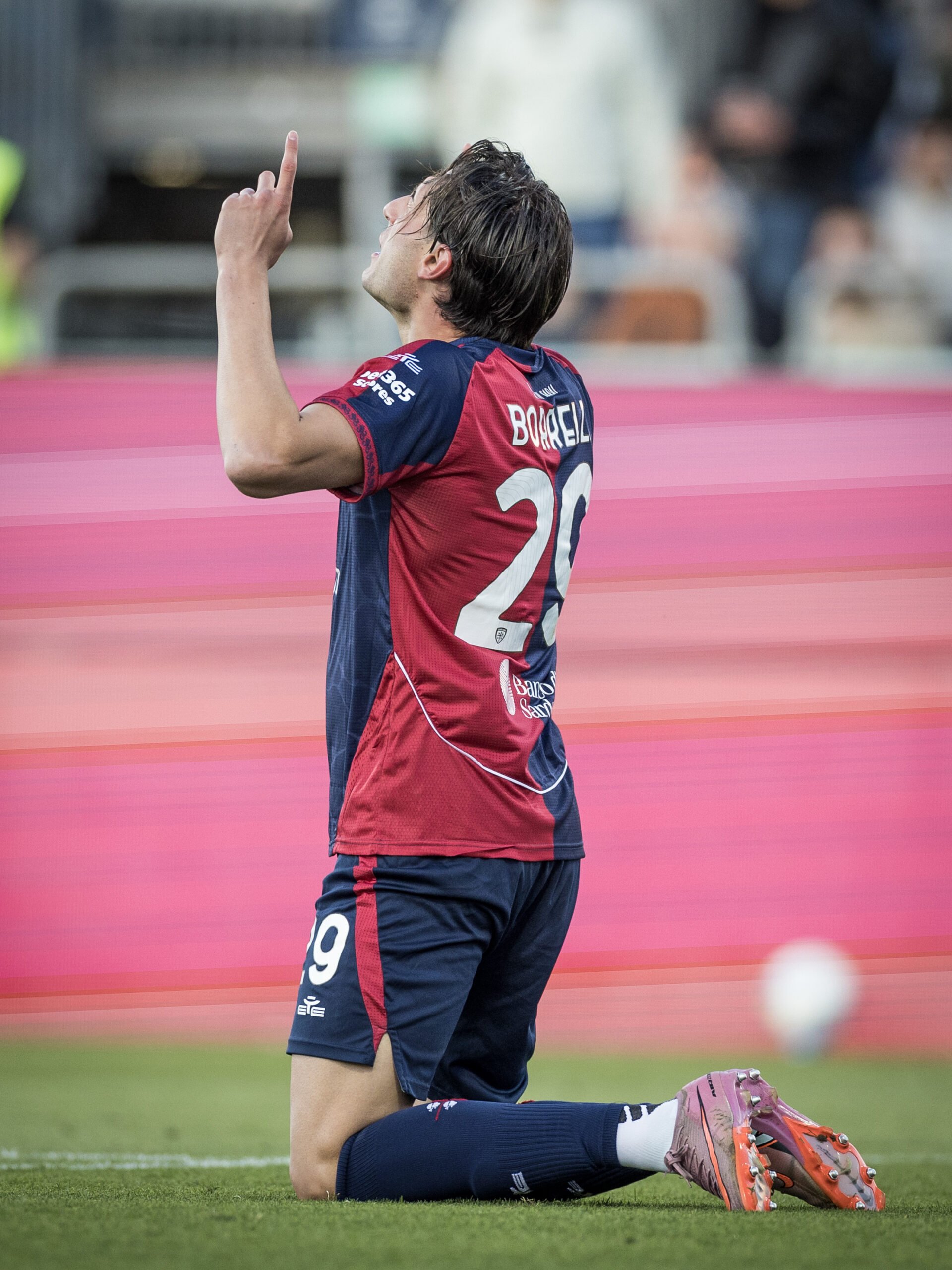
🎙️INTERVIEW | Bucci to “Il Cagliari in diretta”
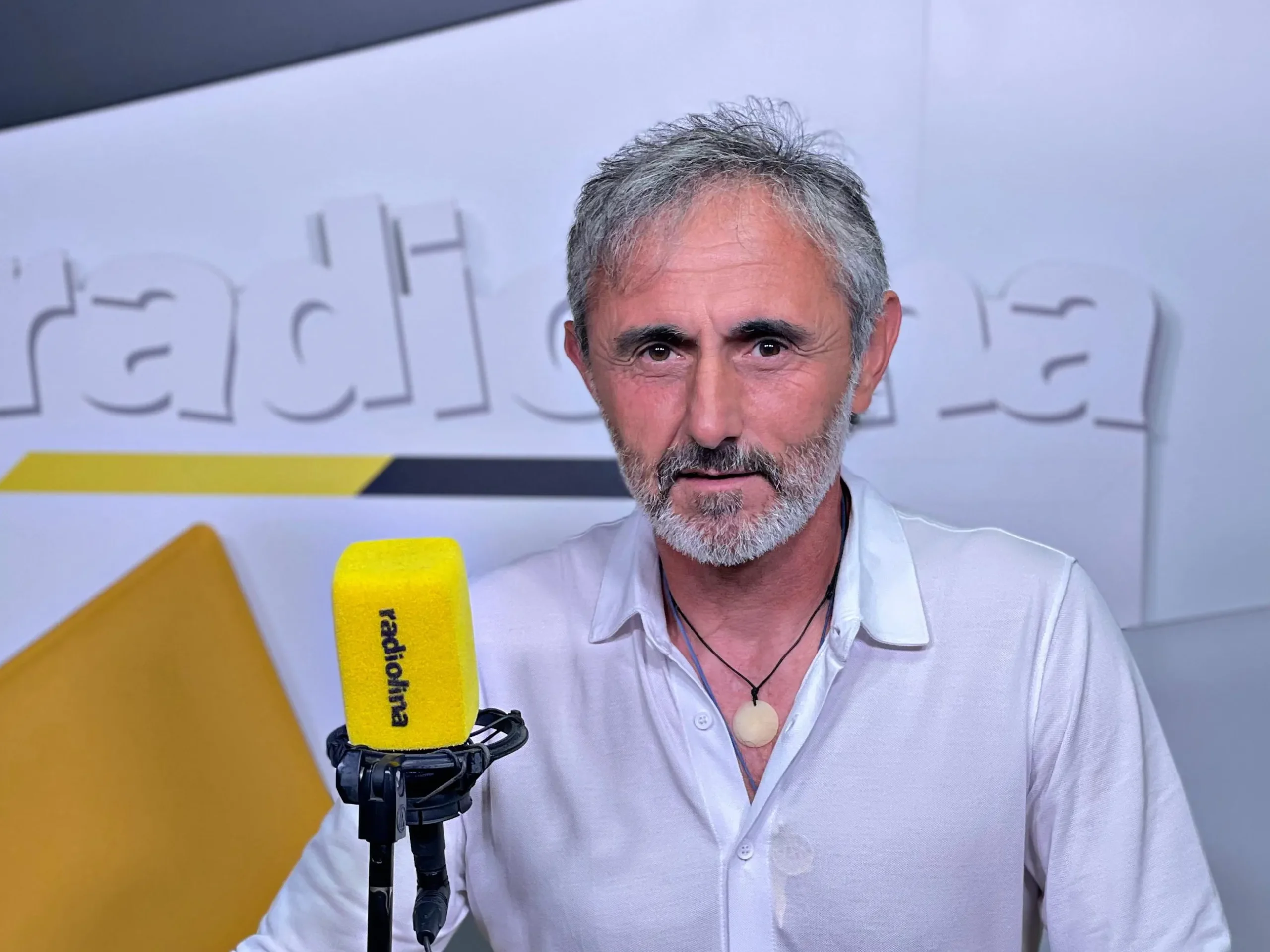
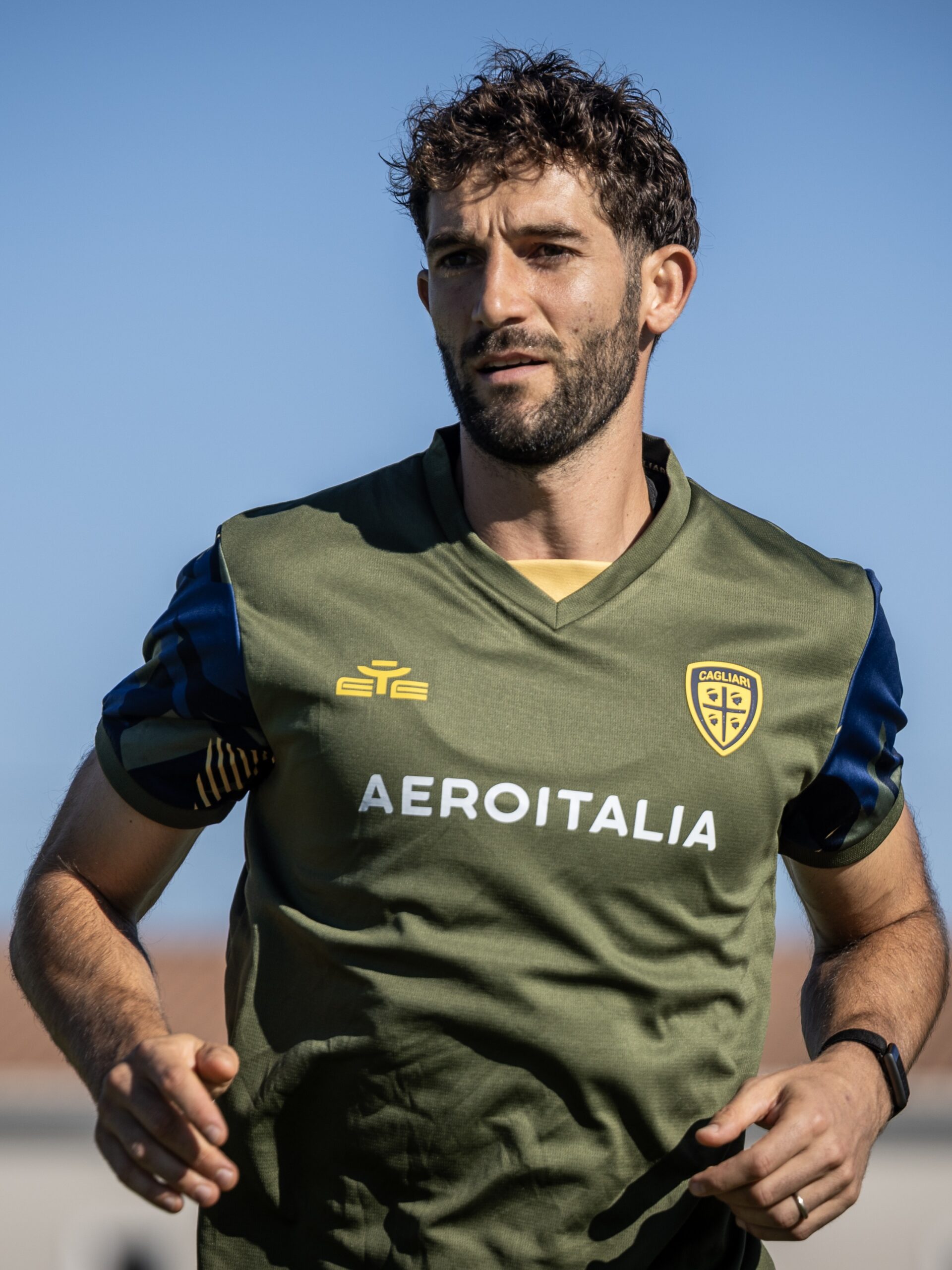
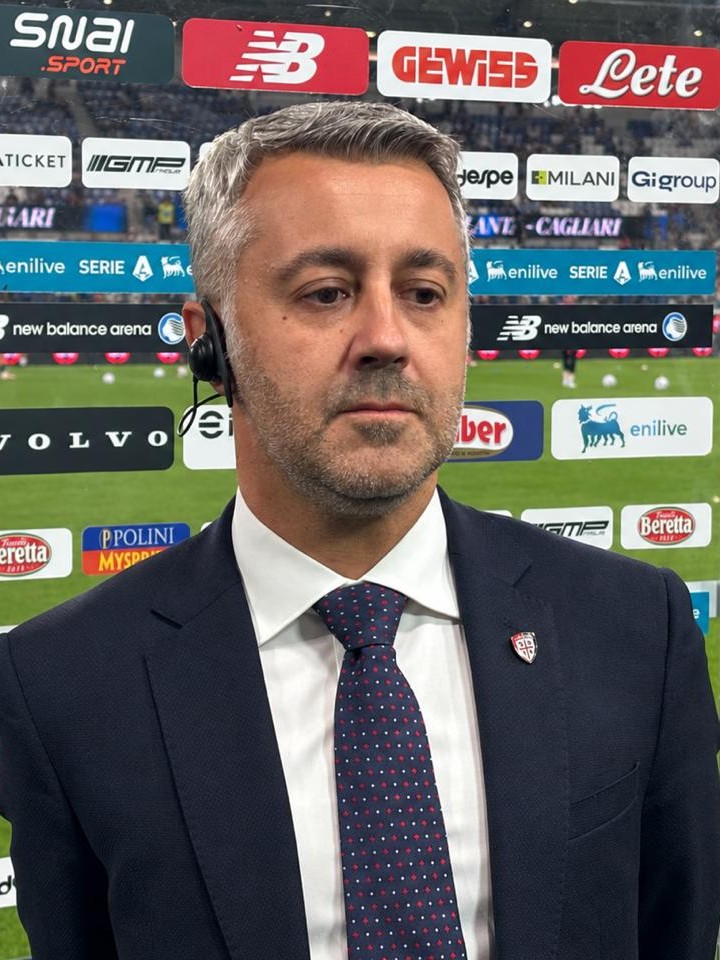
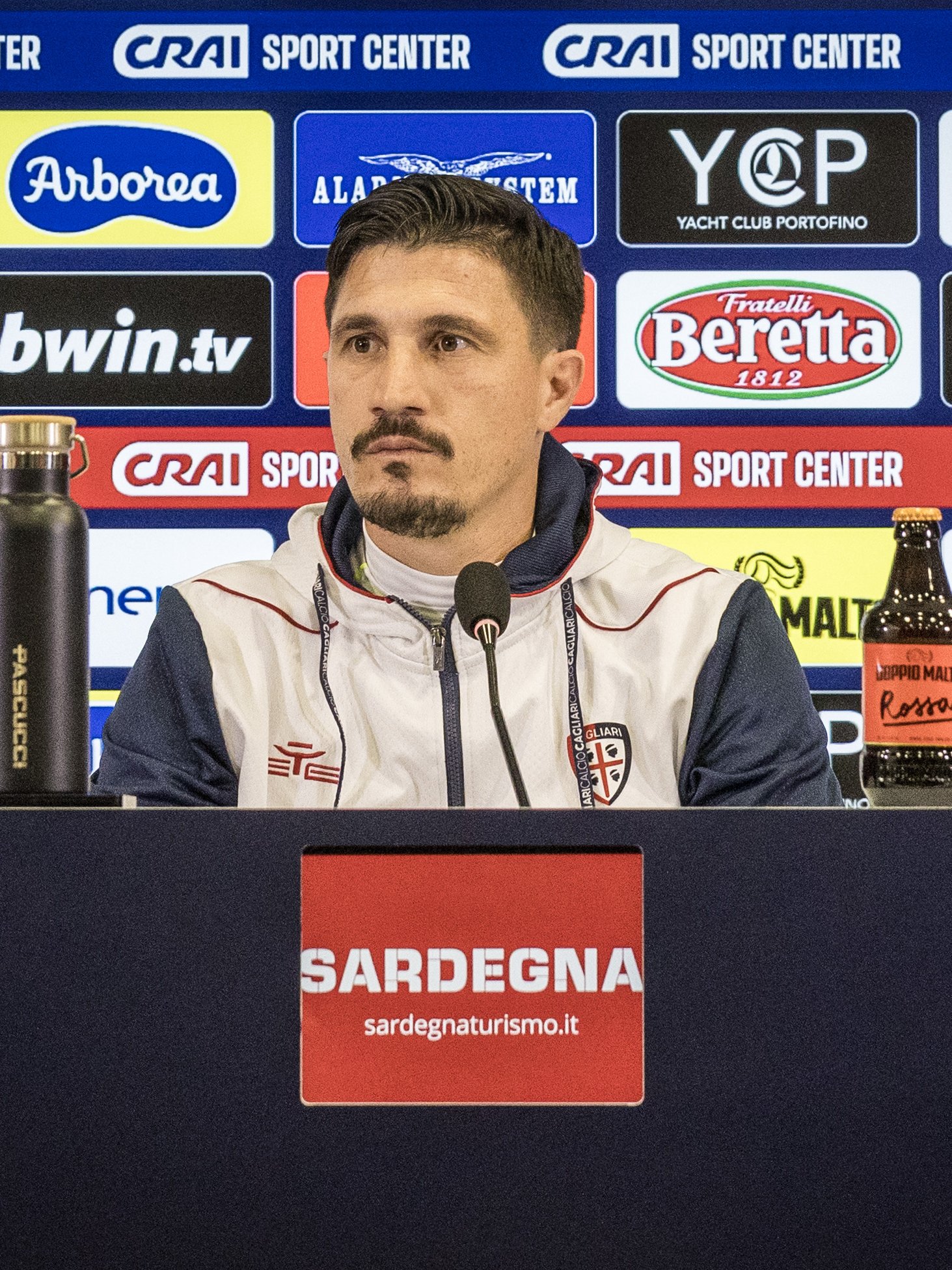
Luca Bucci, goalkeeping coach for the Rossoblù first team, was a guest in the studios of Radiolina and the show “Il Cagliari in diretta,” hosted by journalists Alberto Masu, Valentina Caruso, and Fabiano Gaggini.
THE JOURNEY IN FOOTBALL
“I started playing professionally at sixteen, playing my last match in Cagliari in 2009 for Napoli, then I almost immediately started working as a goalkeeping coach. Me, a volleyball player? Whenever I temporarily took a break from competitive activity (and I should point out that I never called it a job but rather a great passion; I consider myself extremely lucky to have managed to turn it into a profession), I played beach volleyball. So when I finally stopped playing, many friends and former volleyball players asked me to play as a spiker. I was small but I jumped a lot (laughs, ed.).”
PLAYING WITH YOUR FEET AS A GOALKEEPER
“I was definitely lucky in my footballing career, because when I arrived in Parma, I found a coach like Battistini in the Allievi category, who made me participate a lot in the play and in drills that required using my feet. Also at Parma, I had Sacchi, who brought a certain philosophy, and then the rule on back passes came along, which took away the possibility of handling the ball. That was a bit of a stroke of luck for me, because I think there were goalkeepers better than me between the posts, but they didn’t have the same ability to play as a team.”
THE ROLE OF GOALKEEPER
A mistake will most likely result in a goal conceded, while those of other players can always be remedied, with the goalkeeper being the last bastion and most exposed to potential embarrassment. It also depends on a player’s personality, on the technical characteristics of a goalkeeper, which a coach must respect when choosing a certain approach to football. I believe the new generations have now embraced a technical-tactical mindset that requires certain qualities. There are no longer any goalkeepers who don’t know how to play with both feet, so it’s normal for them to participate in the action. In Italy, we’re more critical (too much) of the infamous build-up from the back. I think a goalkeeper must quickly forget—over the course of a match and the season—both the great save and the mistake, because the game moves quickly and there’s always the possibility of redemption or making a mistake. If you don’t have a strong personality, it’s more difficult to be a goalkeeper.
TOWARDS ATALANTA
We always try to work as hard as we can, preparing for the match with a long-term focus, not just on Atalanta’s last game. They’ll be looking to bounce back after yesterday’s elimination from the Coppa Italia. It will undoubtedly be a tough match, with both teams playing for crucial points. We’ll focus on our own team to be ready and try to understand what our opponents can do. We’ll definitely have to play our part to get the points we need to finish the job. We’ve had a very good run so far, with a few significant setbacks, but I believe Cagliari deserves to stay up for everything they’ve done and been through, including injuries and long-term absences. But, I’m clear, I don’t like to look for excuses, nor would it be fair to take away credit for what all the players have done when called upon. We’re a strong, healthy group that deserves to reach the final goal.
THE WORK WITH CAPRILE
“I’ve always followed him. I’ve found him to have improved over time; he’s still very young but already mature. He’s very good at reading the game, and he’ll certainly improve in many areas the longer he gets. I’ve found a player I imagined would be so good, watching him from afar and as an opponent. Does he often come out of goal on throw-ins? He’s fearless, he knows how to take responsibility when coming out; that’s a sign of a strong personality. Everyone makes saves, more or less, while dominating the penalty area and providing security along with everything else isn’t easy, nor is it easy for everyone. Elia has many qualities; I’m convinced, and I hope he continues on this path.”
THE CRISIS OF ITALIAN FOOTBALL
“It’s certainly not a positive moment in history. I had the opportunity to work in Montreal, Canada, in the MLS, and I realized that when you’re abroad, it’s important for you to have your own league—in my case, the Italian one—that’s consistently competitive. The crises in Italian football undoubtedly need to be debated to find solutions; it’s a long discussion that requires time and energy. There’s no doubt that a national team qualifying for the World Cup also means a decisive economic and social boost. Once upon a time, Italy’s finish just shy of first place was considered a failure. Today, everything has changed, but certainly nothing is as important as participating in the World Cup.”
RANIERI AND PISACANE
“I had Mr. Ranieri in the final part of my career, a football legend whose career speaks for itself in every corner. Fabio is a very good and well-prepared coach. We spoke in May, and within a few hours I agreed without hesitation to work with him. I like his approach to football, at a time when there’s obviously great emotional involvement, as he’s in his first season in Serie A and he’s playing it in the city that has adopted him for eleven years and where he’s chosen to live. The coach deserves to stay up more than anyone else. Our staff? Those of us with more experience, including assistant Giacomo Murelli, have a duty to contribute based on what we’ve learned over the years, in an important dialogue aimed at helping the coach make the decisions that ultimately fall to him. Now we all have to work thinking about the last five games in which to get the necessary points. The results will be drawn at the end of the season, and there’s no point looking back on what has or hasn’t been. We mustn’t waste energy on anything other than the matches that we’re playing. they wait from next Monday until the last day”.