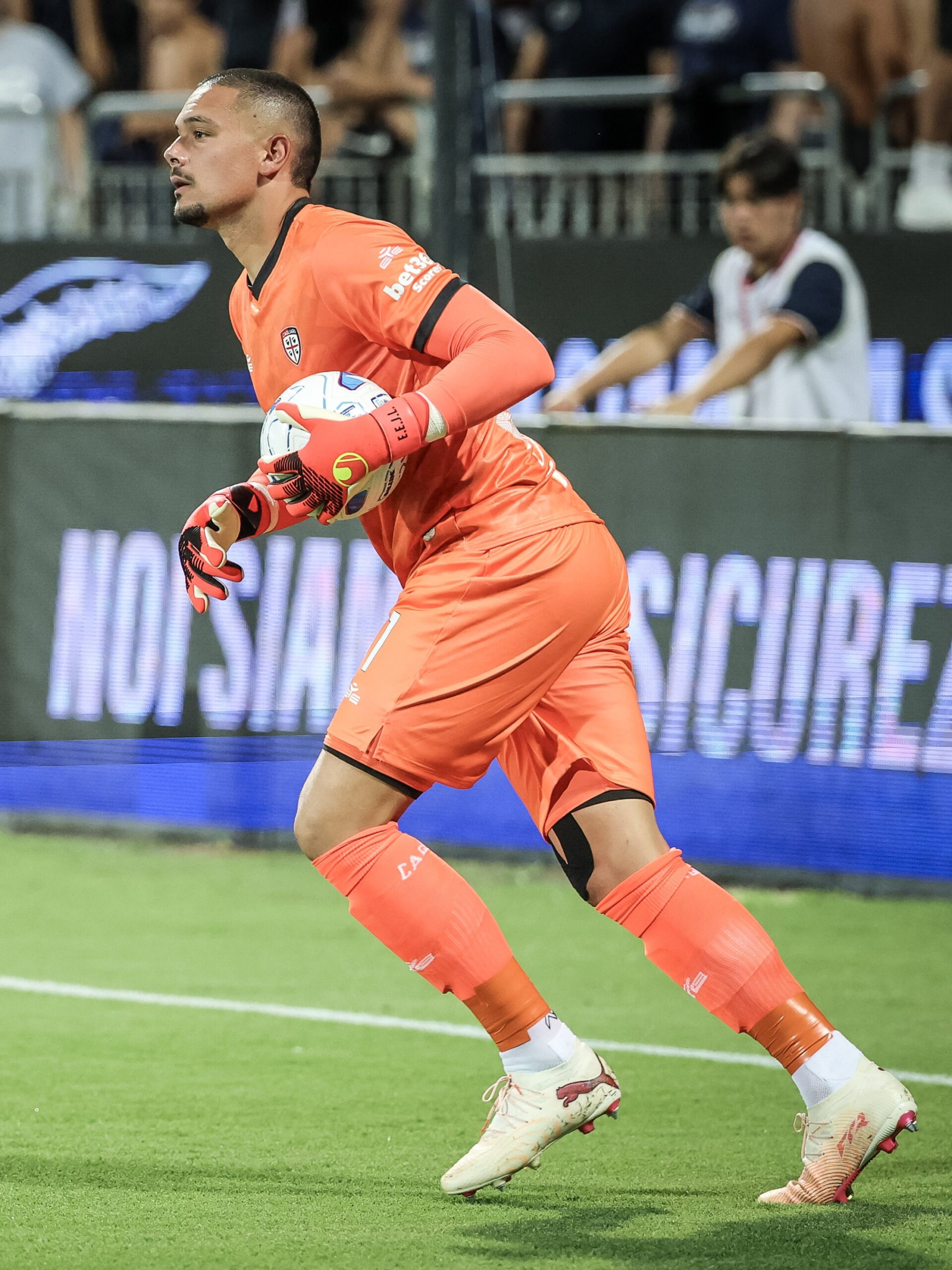
🎙️ INTERVIEW | Yukinari Sugawara opens up
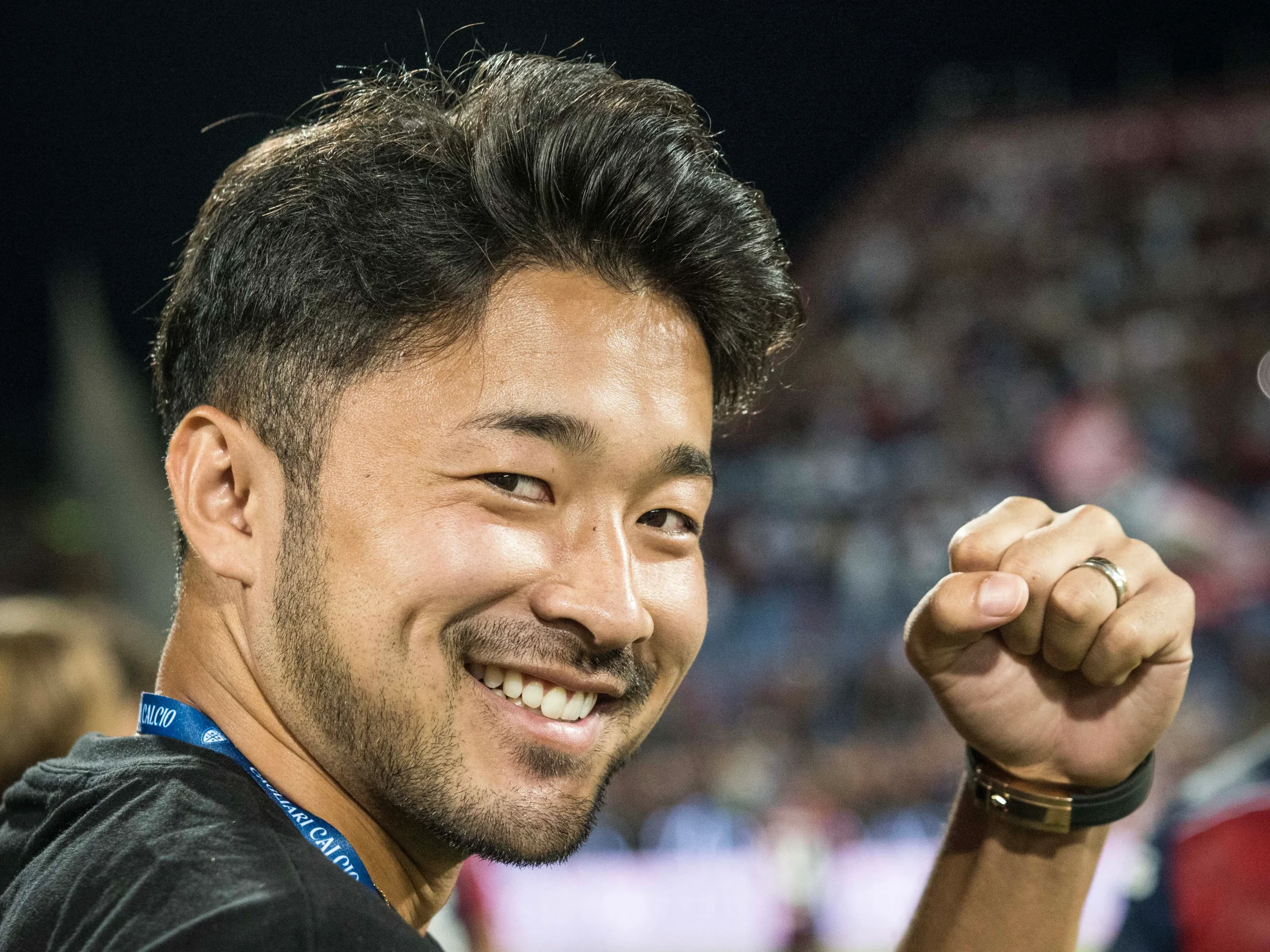
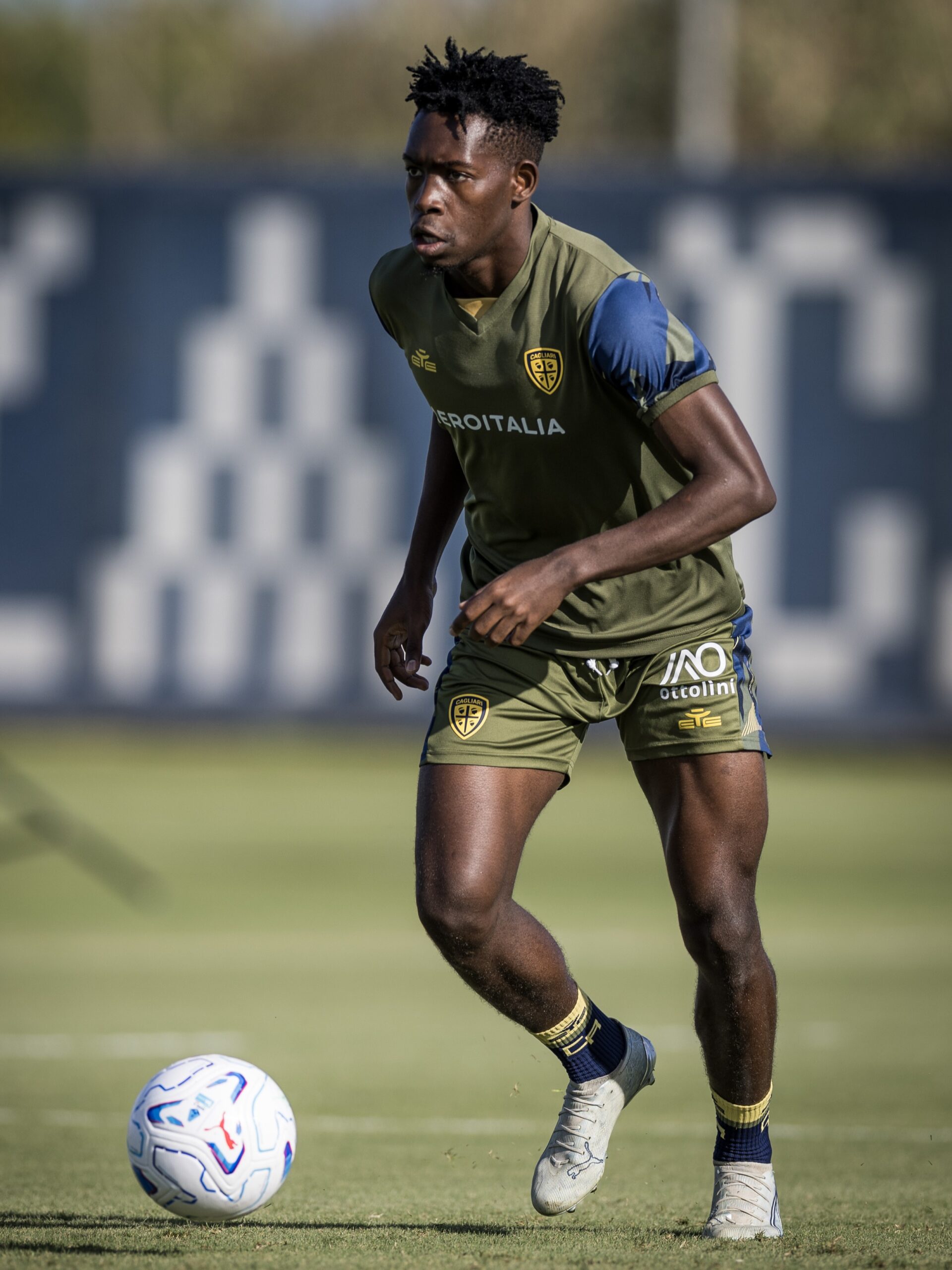
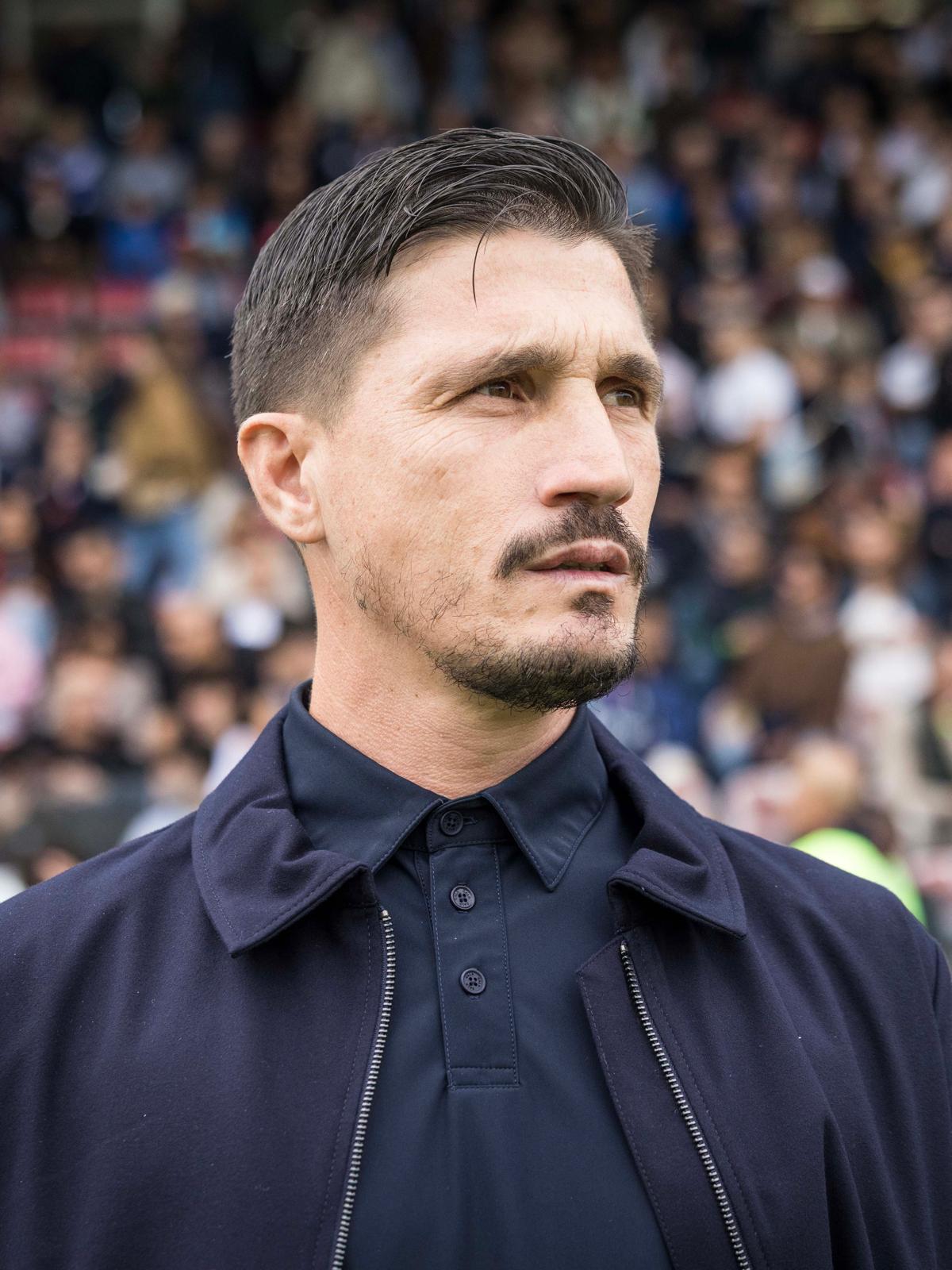
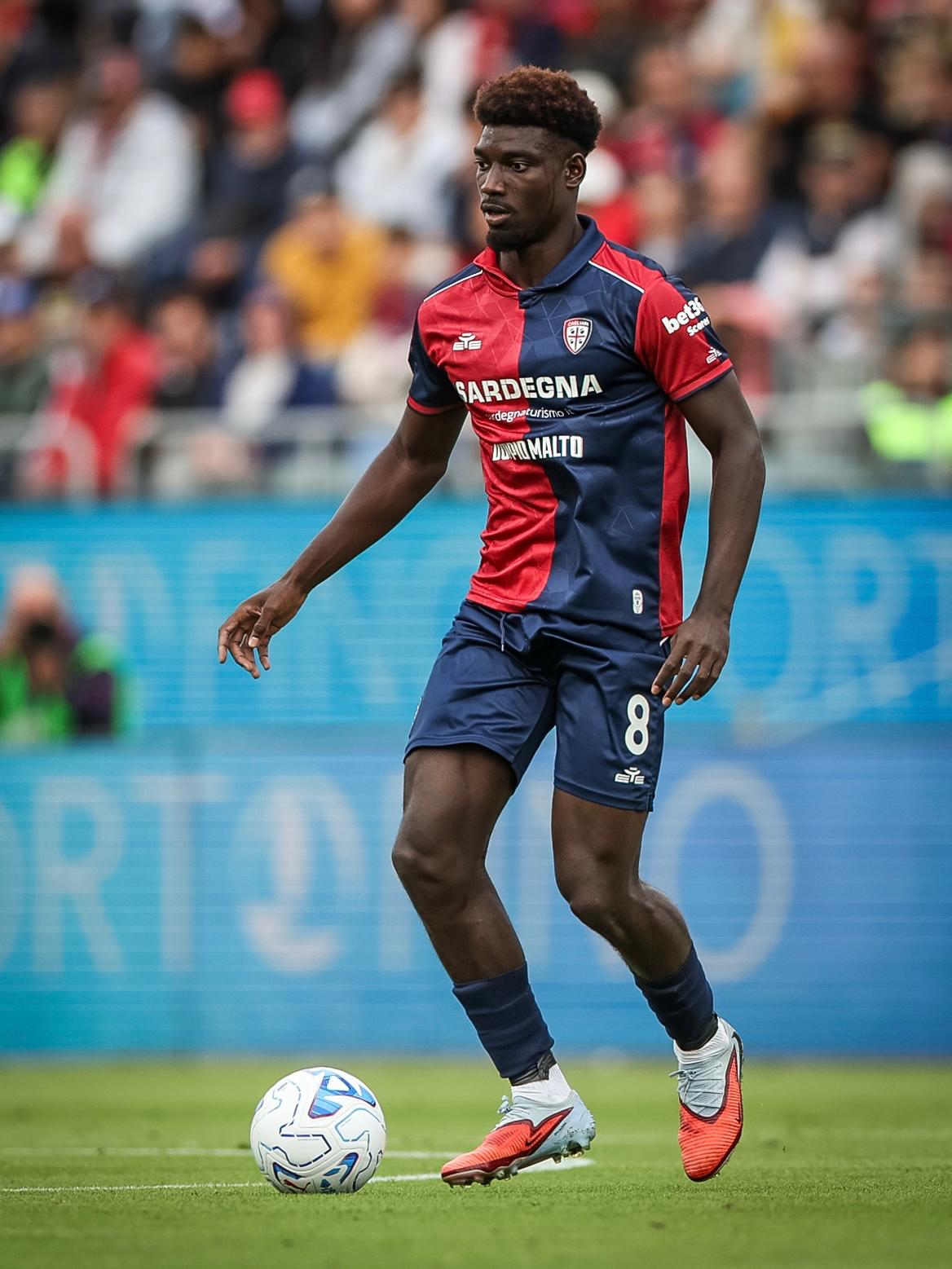
New arrival in the rossoblù house, the first Japanese player in the history of Cagliari, Yukinari Sugawara presents himself on the Club’s official channels with an interview that ranges from aspects more strictly related to the pitch to more personal ones and also inherent to the culture of his Japan. Where his career obviously started from, before touching Holland, England and Germany, enriching his baggage on a personal as well as technical level. We get to know “Yuki” better, returning from the World Cup with the “Blue Samurai”, which he talks about in the presentation chat together with the ease and speed with which he chose Cagliari and Sardinia. And now, having completed the last bureaucratic aspects related to the membership, he is ready to join the group also for Serie A, available for Saturday’s away match in Bergamo at Atalanta.
AN INSTANT DECISION
“It’s fantastic; I’m very happy to be here. I had to make a decision very quickly—just days before the transfer window closed—but it was an easy choice. When Cagliari came calling, I said yes immediately.” It was a decision rooted in a lifelong dream: “I’ve always wanted to play in Serie A because there have been some truly great Japanese players here—like Nagatomo, Honda, Nakata, and many others.”
CAGLIARI, SYMBOL OF AN ISLAND
Even before experiencing the *Rossoblù* world firsthand, Sugawara had already gathered information about Sardinia and Cagliari: “I know a few things about Sardinia; it’s a truly beautiful place to be, thanks to its history, landscapes, beaches, and food.” Accounts from his former teammate Pantelis Hatzidiakos also helped convince him: “I asked him about Sardinia and Cagliari, and he had nothing but positive things to say. I didn’t have time to speak with the coach before the move because I had very little time to make the decision, but I heard nothing but excellent things about Cagliari, and I really wanted to come here.” The new *Rossoblù* winger has already sensed the special bond between the club and the region: “Cagliari is truly a symbol of the island. The people absolutely love supporting it. It’s like Sardinia’s national team, without a doubt.”
FIRST APPROACHES
«I can see the sun every day—the weather is often nice—and then there are my teammates, the staff, and the fans; everyone is very polite, positive, and kind to me. I’m really happy to be here. As the coach said, I’m a player with attacking attributes, but that’s not all. I believe I’m confident on the ball and capable in the build-up phase. I can play centrally or out wide, but the specific position doesn’t matter. I really enjoy contributing to the attack; it’s one of my strengths. Beyond that, though, what matters most to me is helping the team with my qualities, such as crossing and the final pass. I also really love fighting for the team. I always want to win the match and the duels that are so crucial during a game. I think my ideal role is right-back, as it allows me to participate in both attack and defense. I like being involved in the play and running hard for the team.»
A DESIRE TO IMPROVE
«There are many things I need to improve, because I am not a perfect player, and if I want to become a stronger player, I have to keep working—hard. In Serie A, there is much more focus on tactical aspects than elsewhere, particularly regarding defense. So, I need to work on specific areas of my game in order to be as useful as possible.»
FOUR COUNTRIES, A BIGGER WORLD
Italy will be the fourth country in Sugawara’s European career—a journey that has allowed him to experience different cultures and approaches to football: “It’s great to have the experience of playing in different countries. I’ve encountered different ways of playing the game, without a doubt, and there have been significant changes along the way. I’ve learned so much. Every nation has left its mark on me. I’ve met and spoken with so many players and people from different backgrounds, and I’ve really learned to understand the cultures they grew up in. Before coming to Europe, I didn’t speak English or Dutch, but now I speak both of those languages much better, plus a bit of German. Now I’m starting to get to grips with Italian. My world has changed immensely. My life has evolved over time—as happens to everyone—but I’d certainly say my world has become bigger.”
THE WORLD CUP DREAM
One of the highlights of his career was his experience with the Japanese national team at the last World Cup: “It’s every child’s dream, because it is the most important competition of all. I had always wanted to play in it, ever since I started out. Stepping onto the pitch for the first time against the Netherlands was the most important moment of my footballing career. I was playing in the World Cup and it felt like a dream—I’ll never forget it.”
ONLY JAPANESE IN SERIE A
The arrival in Italy takes on an even more particular meaning for Sugawara, also due to the difficulties linked to the registration of non-European players: «It is not easy to arrive in Serie A from outside Europe. I’m really grateful to Cagliari because they signed me and used one of those two slots for me. I am truly grateful to the president, the coach and the sporting director, to the entire Club. I am the only Japanese player playing in Serie A. I didn’t know it, when the hypothesis arose, I really thought there was someone else and instead here I am, the only Japanese player in Serie A at the moment. Perhaps this is also why I have to give everything and do my best to leave an important mark in Italy. If I play badly, maybe they will think the Japanese aren’t good enough. But if I do well, on the contrary, even more people will understand that we Japanese have quality. And, perhaps, the players of my nationality in Italy will increase again like a few years ago. I simply want to do well in every single training session and in every match, giving everything every day.”
NAKATA MODEL
Among the compatriots who have made the history of Italian football, Hidetoshi Nakata occupies a special place: «He is one of the most important names in Japan because he won the Scudetto with Roma by scoring a decisive goal against Juventus in that match that everyone still remembers, in 2001. When we talk about Nakata and Serie A, in Japan, everyone lights up. He is certainly an example, he is someone who made it and represented us in the world with his activity as a footballer at the highest levels. Become like him? Maybe it would be the best, but everything depends on work and the ambition to always achieve something more.”
A GROWING BOND
His arrival has already sparked interest in Cagliari among the Japanese media and fans: “I am truly very happy to see this interest. It’s great, but I must point out that I haven’t played for Cagliari yet and need to prove I’m up to the task; then, those watching can decide and evaluate how I’m doing.” However, this attention is helping to raise the profile of the *Rossoblù* in Japan: “Japanese media and social media are also interested in Cagliari. Perhaps some people are hearing about Cagliari and Sardinia for the first time. Cagliari’s name and reputation are becoming increasingly well-known in Japan. It’s a really positive thing for me and for the Club, too.” Yet, the priority remains the pitch: “I’m happy to see all this, but first and foremost, I want to help the team as a player, because I am, above all, a footballer.”
TWO CULTURES, MANY SHARED TRAITS
There is also a curious point of connection between Italy and Japan that Sugawara discovered firsthand in Cagliari: *Captain Tsubasa* (known in Italy as *Holly e Benji*), the famous soccer-themed manga and anime. “I used to watch and read it when I was a kid because it’s the most famous soccer anime. But, to be honest, I didn’t realize it was so well-known in Italy and Europe, too.” He was actually surprised by the *Rossoblù* staff members: “They asked me about *Captain Tsubasa* right away; I didn’t expect them to know it so well. It took me by surprise, but it’s always nice when someone from the staff at your new club talks to you about Japanese things in general—whether it’s anime, food, culture as a whole, or cities.” It is further evidence of a bond that extends beyond soccer: “Italy, Sardinia, and Japan share several remarkable connections, both in the world of soccer and outside of it. *Captain Tsubasa* is one example—though not the only one—and it’s great that things are this way.”